

When Emotions Get Stuck: How Breath Restores Flow in the Body
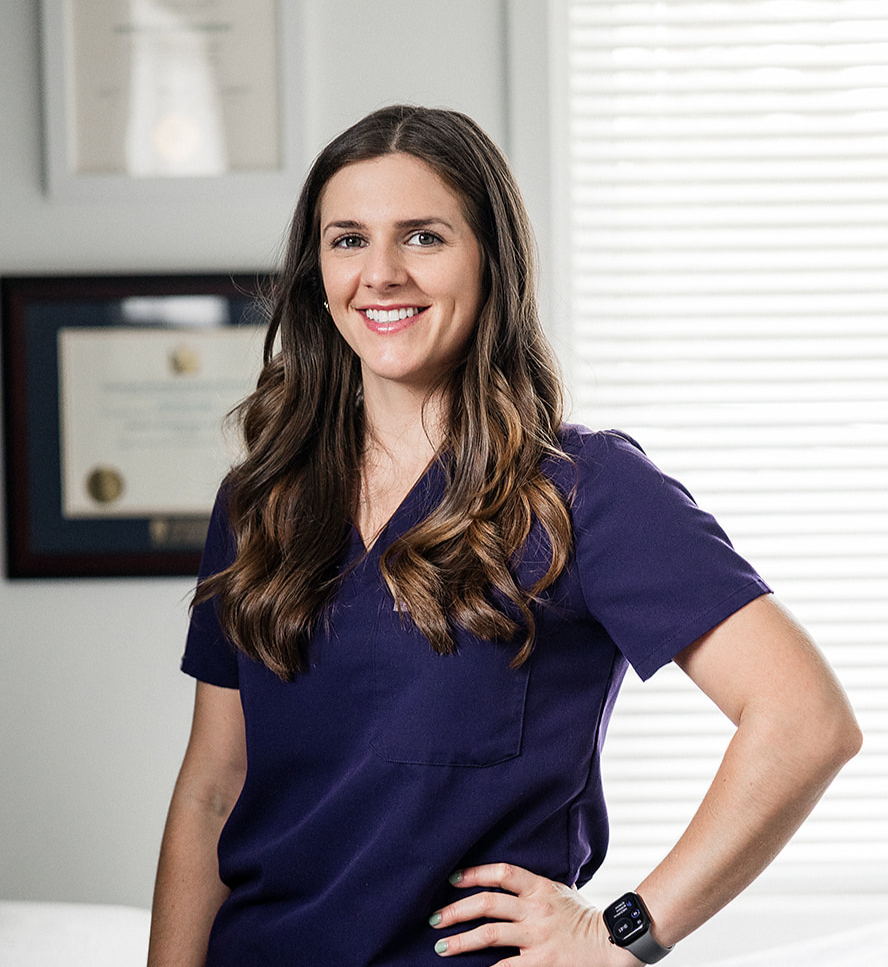
- Courtney Cartmel, RAc.
- Jan 26
- 2 min read
In Traditional Chinese Medicine (TCM), emotions are not something to be ignored, suppressed, or “worked through” purely in the mind. They are meant to move. To rise, pass through the body, and resolve naturally. Just like blood, lymph, or breath, emotions require circulation.
But modern life rarely allows for that.
When life moves too fast, when we suppress what we feel, or when we stay in a constant state of stimulation, emotions can become stuck.
Over time, this stagnant, stuck energy doesn’t just affect our mood. It begins to disrupt the harmony within the body.
How Stuck Emotions Show Up Physically
When emotions are held rather than expressed or processed, the body often speaks for them.
This may show up as:
Chronic tension in the neck, shoulders, jaw, or hips
Persistent fatigue or burnout
Digestive issues such as bloating, irregular appetite, or IBS-like symptoms
Hormonal imbalances
Anxiety, restlessness, or difficulty sleeping
Unexplained aches, pain, or a feeling of heaviness in the body
From a TCM perspective, these symptoms are not random or disconnected. They are signals from the body asking for more flow, more safety, and more support.
The Nervous System Connection
When emotions remain stuck, the nervous system often stays in a state of vigilance and gets stuck in “doing,” “pushing,” or “bracing.” Over time, this can keep the body locked in sympathetic (fight-or-flight) mode, making it harder to rest, digest, and repair.
Healing doesn’t always come from adding more practices, more effort, or more information.Sometimes, it begins by slowing down enough to allow the body to soften.
Why Breath Is One of the Most Powerful Tools for Emotional Release
One of the simplest — and most accessible — ways to help emotions move through the body is breath. Breath acts as a bridge between the conscious and unconscious, the physical and emotional, the nervous system and the organs.
When the breath is shallow or rushed, the body perceives threat. When the breath slows and deepens, the body receives a signal of safety.
A Simple Breathing Practice for Emotional Regulation
When you feel overwhelmed, anxious, emotionally heavy, or overstimulated, try this gentle practice:
Inhale through the nose for 4 seconds
Exhale slowly through the mouth or nose for 6 seconds
Repeat for 1–3 minutes
Lengthening the exhale is key. It tells your nervous system it’s safe to soften. In TCM, this calms the Heart, settles the Shen (spirit), and gently invites the body back into balance.
Healing Isn’t Always About Doing More
In a culture that rewards productivity and constant forward motion, it can feel counterintuitive to slow down. But healing doesn’t always require doing more, sometimes it begins by slowing down enough to listen.
This creation of space allows you to tap into your body and respond accordingly.
Join Me for a Deeper Exploration
If this resonates, I invite you to join me for my upcoming webinar. Together, we’ll explore:
How stuck emotions manifest in different organs and systems
The mind-body-emotion connection through a TCM lens
Practical tools to support emotional flow and nervous system regulation
How to work with your body rather than against it


Comments